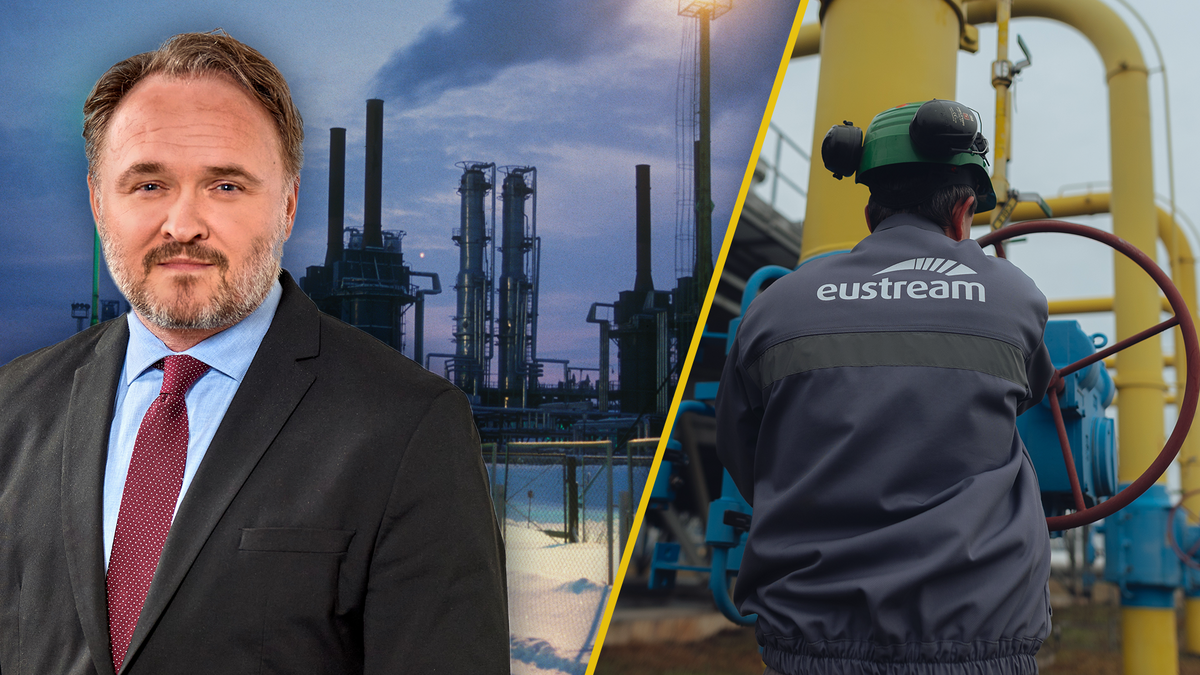
Washington isn't Moscow, but Brussels still wants more than one supplier. Europe must avoid replacing its dependence on Russian gas with a new reliance on the United States, EU Energy Commissioner Dan Jørgensen has warned, even as he stressed that Washington remains a fundamentally different energy partner from Moscow. Jørgensen, the European Commissioner for Energy and Housing, told TVP World's World Talks program that the bloc must diversify its energy supplies as it prepares to eliminate Russian gas imports in 2027. “We need to be quite mindful that we do not replace one dependency with another dependency,” he said. Breaking Moscow's energy grip The EU has dramatically reduced its reliance on Russian gas since Moscow's full-scale invasion of Ukraine in 2022. Jørgensen said Russia's share of EU gas supplies had fallen from 45% to around 10%, with the bloc aiming to eliminate the remaining imports next year. He acknowledged that the transition would remain difficult for some countries, particularly Hungary and Slovakia, which opposed the ban. The commissioner praised Poland for reducing its dependence on Russian energy and helping neighboring countries diversify their supplies. US gas and the price of independence With the US now supplying a substantial majority of Europe's imported liquefied natural gas, questions have emerged over whether Brussels is creating another strategic vulnerability. Jørgensen rejected comparisons between Washington and Moscow, emphasizing that American gas comes from private companies rather than a state-controlled supplier such as Russia's Gazprom. Nevertheless, he warned that Europe remains exposed to global energy price shocks, including those caused by the crisis in the Middle East. He argued that expanding renewable energy, nuclear power, and electrification would reduce Europe's vulnerability to imported fossil fuels. The commissioner said the EU had already reduced gas consumption by nearly 20% since 2022, but further progress was needed to protect households and businesses from high energy costs.