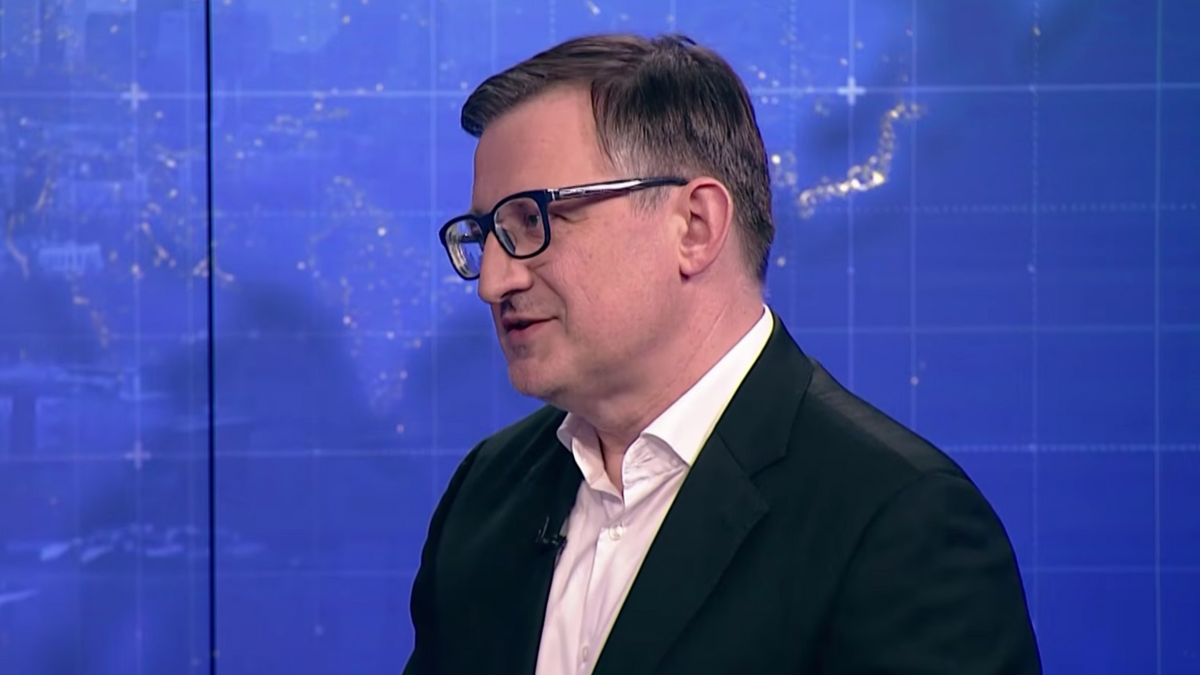
The conflict involving Iran, the US and Israel could give fresh momentum to Europe’s push for energy independence, an analyst from Brussels-based consultancy firm EU Strategies has told TVP World. As markets once again confront the vulnerability of global oil supplies moving through the Strait of Hormuz, Tomasz Włostowski, managing partner at EU Strategies, said that the latest turmoil had erupted at a politically sensitive moment for Europe, just as Brussels was facing growing pressure to ease parts of its climate agenda and focus more heavily on industrial competitiveness. Energy shock revives old debate Włostowski said the risk of disruption in the Strait of Hormuz had long been underestimated, even though analysts had repeatedly warned that Iran could target one of the world’s most important energy chokepoints. Around a fifth of global oil supply passes through the narrow waterway, and recent fighting has already rattled markets. While alternative export routes exist, including pipelines across Saudi Arabia and infrastructure in the United Arab Emirates, Włostowski argued that their capacity remains limited and may not be enough to offset a prolonged shock. He said more export infrastructure could eventually be built outside the strait, but warned that even facilities on the Red Sea side could remain vulnerable if Iran demonstrates the ability to strike targets farther away. That renewed sense of insecurity, he suggested, may strengthen the case for reducing Europe’s reliance on imported fossil fuels. In his view, the crisis has breathed “new life” into the bloc’s climate and renewables agenda at a time when it had been under mounting political pressure. That debate has sharpened in recent weeks as Europe grappled with another oil-price spike and explored ways to shield consumers from rising energy costs. Nuclear back on the agenda Włostowski also pointed to renewed interest in nuclear energy, both in Germany and at the EU level, as policymakers search for long-term alternatives to fossil fuels. Germany’s nuclear exit has come under fresh scrutiny this year, with Chancellor Friedrich Merz calling it a “serious strategic mistake,” while Brussels has moved to support new technologies including small modular reactors. Still, he cautioned that nuclear power is not a quick fix. New capacity takes years, often decades, to build and requires vast investment, meaning it cannot solve Europe’s immediate energy-price problem. The broader challenge, Włostowski said, is that the EU’s energy market remains uneven. Renewable capacity is expanding, but member states differ widely in exposure to wind and solar resources, interconnections remain incomplete, and energy storage is still a major unresolved issue.